
Halloween in Scotland 2025: Whispers from the Mist-Shrouded Moors – Customs, Festivities, and a Timeless Heritage
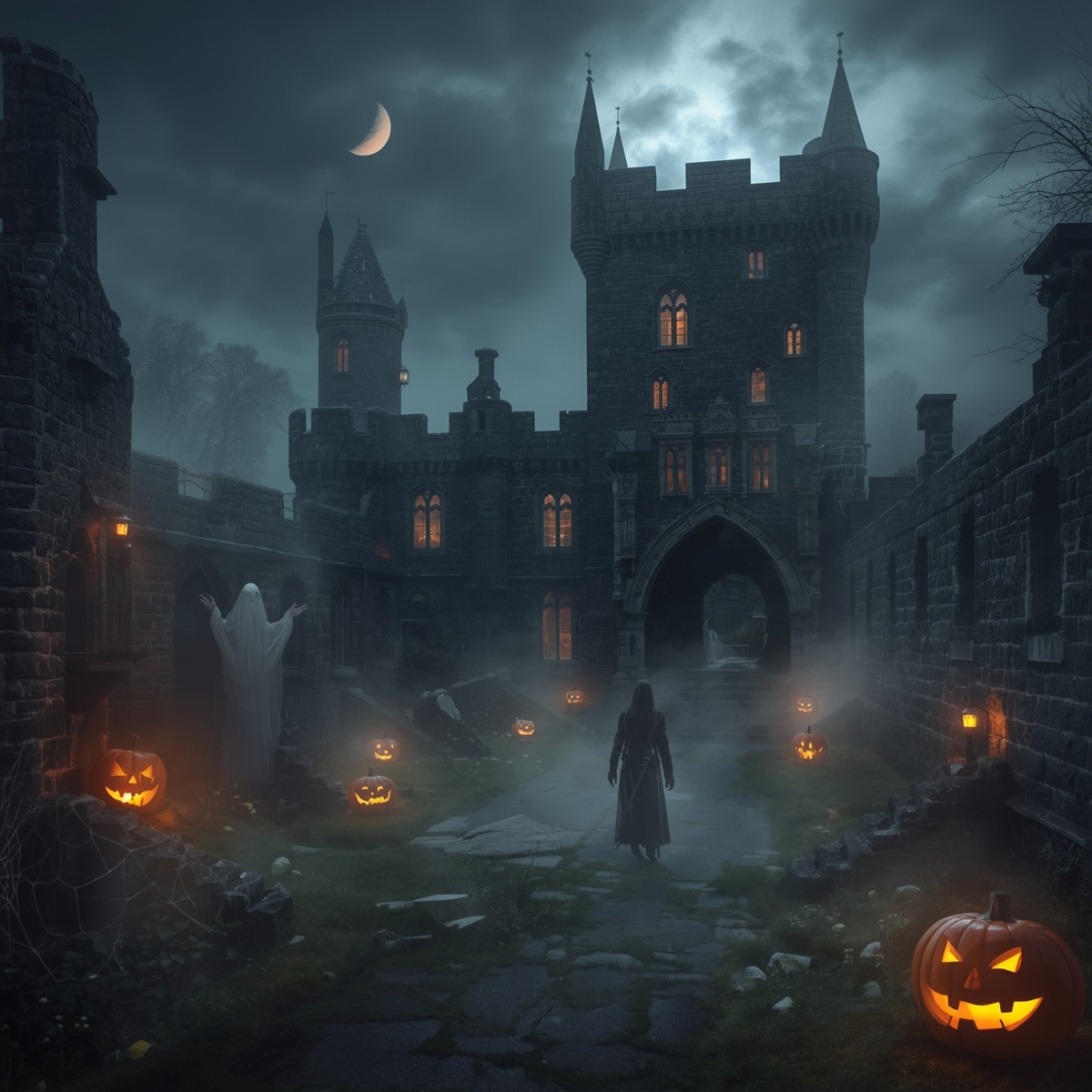
Ah, dear kin of the clans, as the autumn winds howl across the Atlantic, carrying echoes from the rugged Highlands to your American hearths, Halloween stirs once more. It’s not just a night of candy and costumes, but a veil-thin portal to our shared Scottish bloodline – a tapestry woven from ancient fires, spectral whispers, and the unyielding spirit of our forebears. Imagine, if you will, a misty glen where the living and the departed brush shoulders under a harvest moon. In 2025, as we gather ’round jack-o’-lanterns flickering like will-o’-the-wisps, let’s delve into the enigmatic heart of Halloween, tracing its Celtic roots back to Scotland’s shadowed past. Who knows what forgotten tales might emerge from the fog?
I. The Ancient Veil: Samhain’s Celtic Shadows and Eternal Flames
Picture this: Millennia ago, in the emerald isles where our Scottish ancestors roamed, the wheel of the year turned with a creak toward winter’s grasp. Samhain – pronounced “Sow-in,” like a secret incantation – wasn’t merely a festival; it was the threshold where the mundane met the mystical. As the last sheaves of harvest were bundled away, the Celts believed the barrier between worlds thinned, allowing spirits to wander freely. Bonfires blazed on hilltops, warding off malevolent forces while inviting ancestral guidance. Divination rites unfolded by firelight – a nut tossed into flames to foretell love or loss, or an apple peeled in one long strip to reveal a future initial.

But let’s add a dash of intrigue from the annals of lore. Legend whispers of a Highland chieftain, one of Clan MacLeod, who on a Samhain eve in the 8th century ventured into a fairy mound near Skye. He emerged days later, aged but enlightened, bearing tales of otherworldly feasts that mirrored our earthly ones. Such stories, passed down through generations, remind us Scots-Americans that our heritage pulses with magic. Archaeological gems like Newgrange in Ireland – a colossal passage tomb from 3200 BCE, aligned to catch the winter solstice sun like a cosmic key unlocking secrets – echo this depth. Its mound, sprawling 85 meters wide, stands as a silent sentinel to rituals our blood remembers.
Closer to Scottish soil, the Hill of Tara’s Mound of the Hostages, dating back to 3350–2800 BCE, hints at Bronze Age gatherings where fires danced and prophecies were uttered. Medieval texts from the 9th century seal the bond: tales of assemblies at Samhain, feasts laced with supernatural dread, and bonfires that bound communities like the tartans we cherish today.
And oh, the customs! Mumming and guising – donning disguises to blend with the spirits – evolved from these rites, a clever ruse to outwit the unseen. Offerings of food left on doorsteps for wandering souls or needy kin spoke of survival through the lean months. Imagine your great-grandfather, fresh off the boat from Glasgow in the 1800s, sharing such yarns by a New World fireside, his brogue thick with mystery.
🔎 Craving a touch of the uncanny for your own revels? Dive into our Top 25 Halloween Costume Ideas, where echoes of ancient guises await to cloak you in enigma.
II. The Sacred Shroud: Christianity’s Embrace of All Hallows’ Eve
As the cross spread its shadow over the pagan flames, Halloween transformed, yet its mystery endured. In the 7th century, Pope Boniface IV consecrated Rome’s Pantheon to St. Mary and the Martyrs around 609 CE, birthing an early All Saints’ observance on May 13. But fate – or perhaps a divine whisper – shifted it to November 1 under Pope Gregory III in the 8th century, aligning eerily with Samhain’s eve.
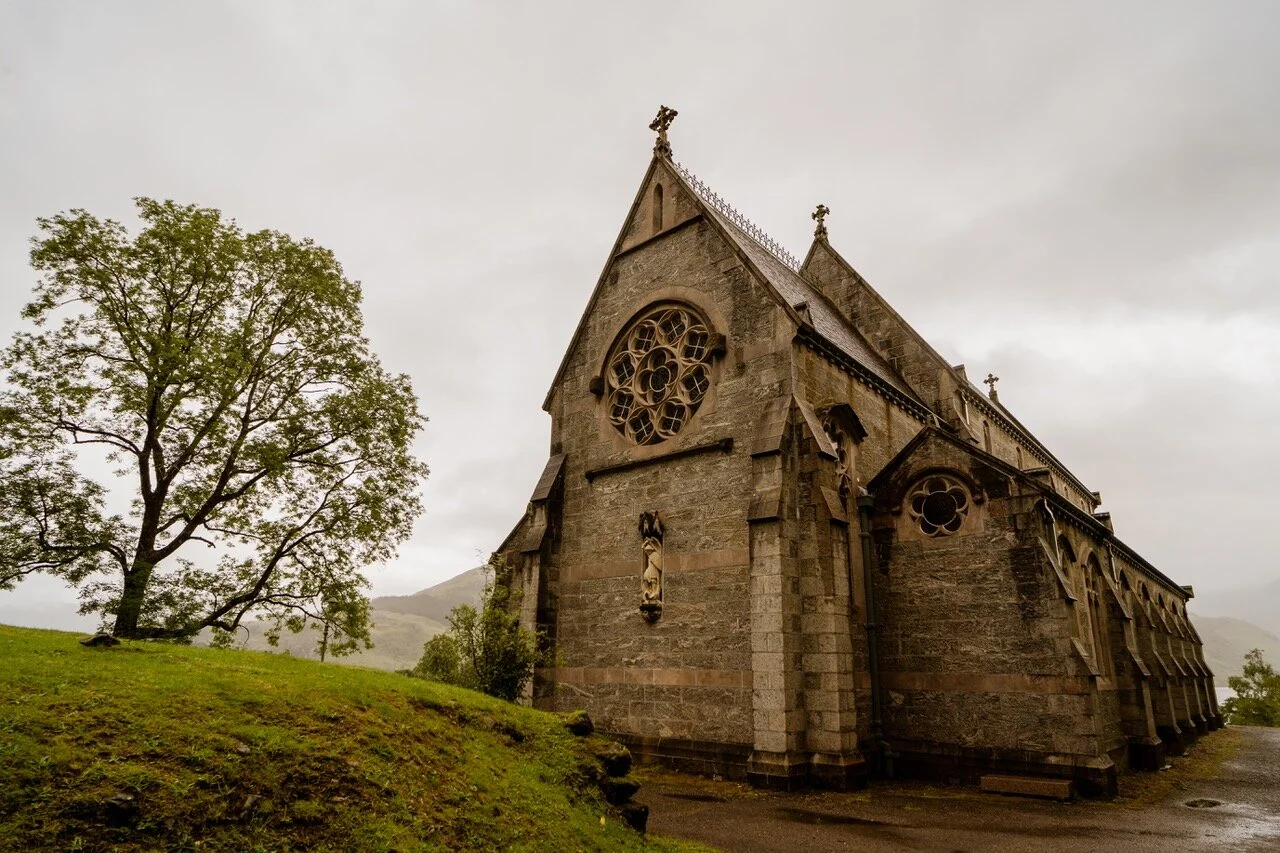
By the 9th century, this date rippled through British calendars, and under Pope Gregory IV in the 830s, it became a cornerstone of Western Christendom. Then came All Souls’ Day on November 2, instituted by St. Odilo of Cluny in the late 10th century – a triduum of remembrance from October 31 to November 2, where prayers for the departed mingled with older Celtic echoes.
Envision a medieval Scottish kirk, candles guttering as villagers whispered invocations, blending saintly hymns with forbidden charms. This fusion wasn’t erasure; it was evolution, a cloak of faith over ancient bones, much like how our Scottish diaspora wove tartan into American quilts.
III. Medieval Mists: Customs That Haunt the Ages
In the dim halls of medieval Europe, Halloween’s essence deepened. Souling emerged – wanderers clad in rags, knocking on doors for soul cakes in exchange for prayers. These spiced rounds, dotted with currants like hidden treasures, symbolized charity and the cycle of life and death. In Scotland, guising took root by the 16th century: masked figures reciting verses for ale or coins, embodying ghosts or folklore beasts.
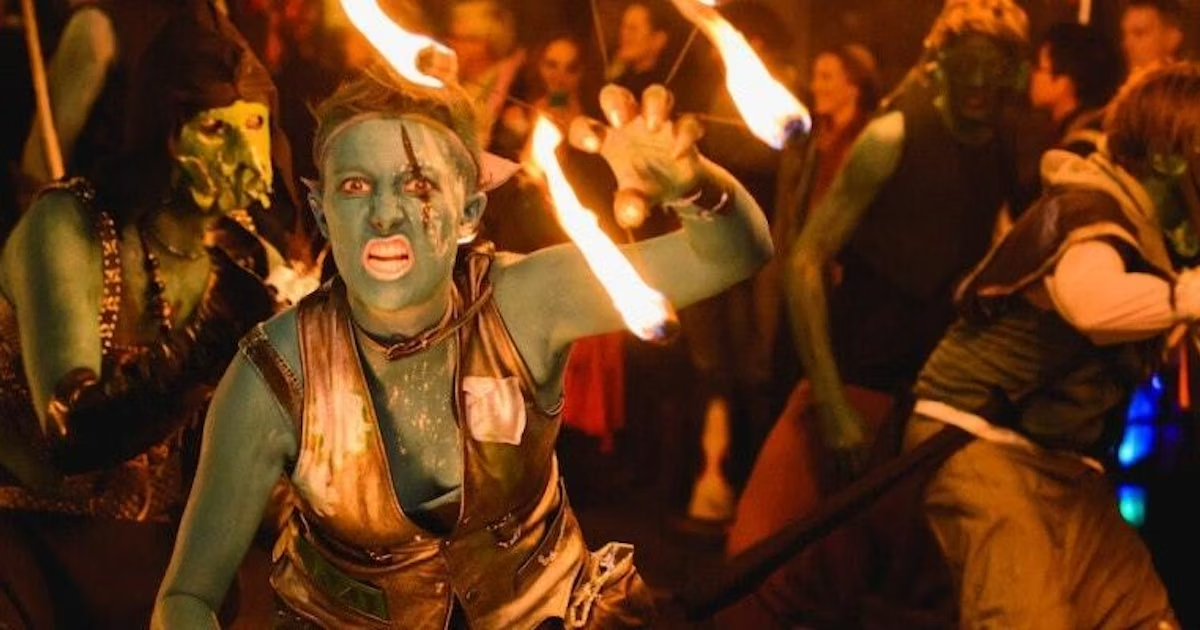
The Danse Macabre, those macabre murals of skeletons leading the living in eternal waltz, captured the era’s fascination with mortality. Picture a foggy All Hallows’ Eve in Edinburgh, where mummers performed under torchlight, their antics a bridge between worlds. A side tale from folklore: In the Borders region, it’s said a guiser once unmasked a true spirit among the revelers, vanishing at dawn with a chilling laugh – a reminder that the veil is never fully lifted.
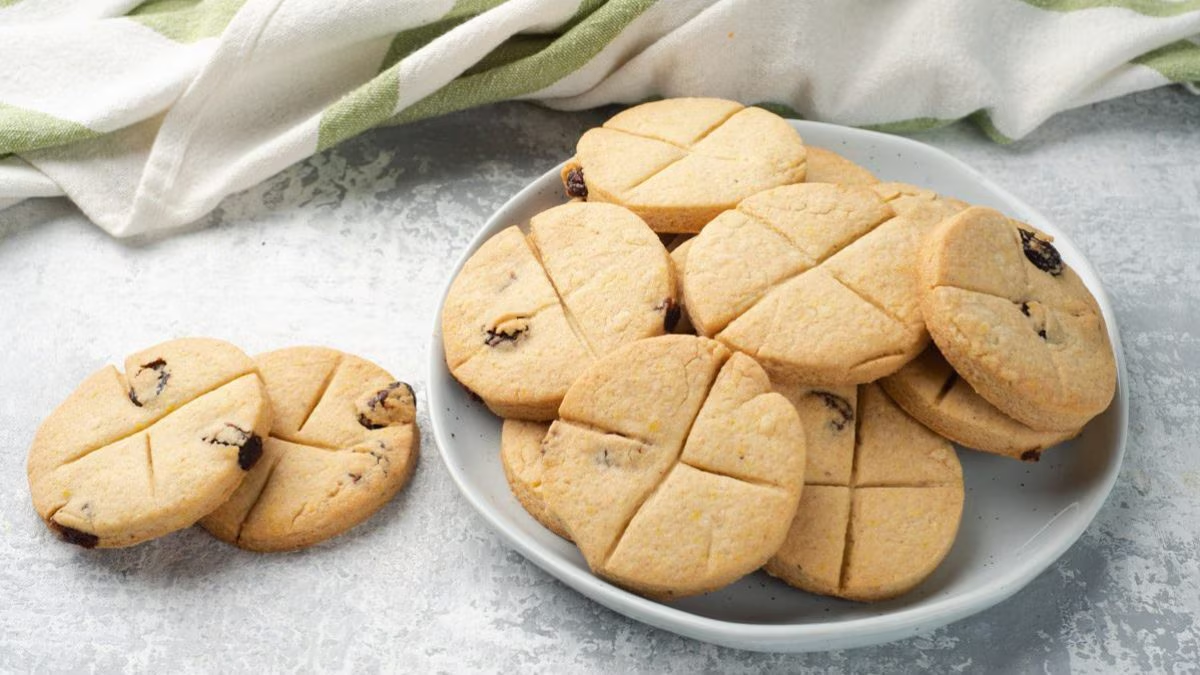
Food offerings persisted, soul cakes baked with nutmeg’s warm spice, evoking hearth and heritage. These traditions, carried in the hearts of our ancestors, whisper to us still.
📣 Unearth more spectral secrets in our 40 Spooky & Surprising Symbols of Halloween You Should Know – talismans from our shared past.
IV. Across the Stormy Seas: Halloween’s Voyage to American Shores
The Great Famine of 1845–1852 scattered our Scottish and Irish kin like leaves in a gale, over two million souls fleeing to America’s promise. They brought Samhain’s spark: turnip lanterns, grotesque faces carved to repel evil, and mumming’s merry disguises. In the New World, pumpkins – plump and plentiful – supplanted turnips by the late 1800s, their orange glow becoming icons of the night.
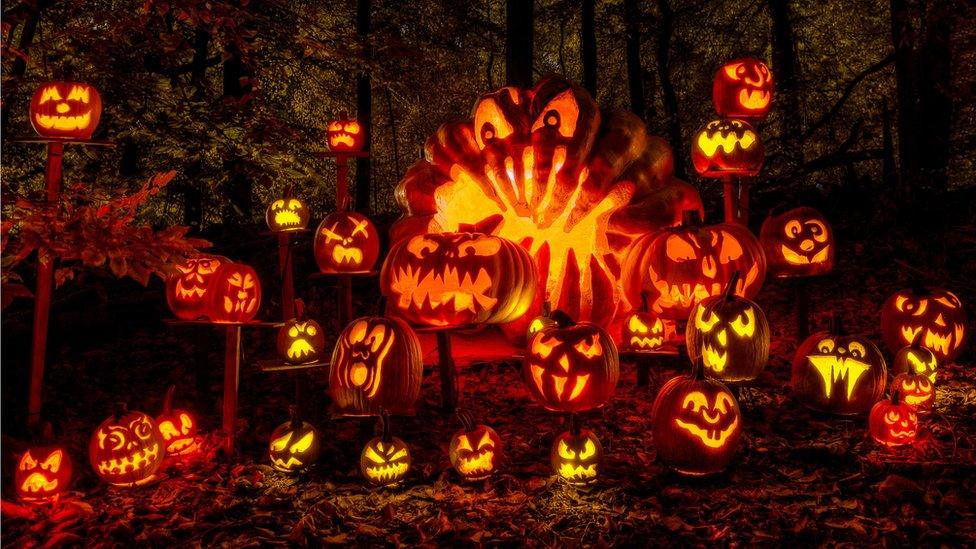
Early mentions in 1830s prints speak of vegetable lanterns illuminating harvest fetes. By the 1920s, “trick-or-treat” echoed in papers, evolving into the candy-laden ritual we know. Post-WWII suburbs amplified it, but at its core? The resilient spirit of clans like yours, adapting ancient ways to new lands. Imagine a Scottish immigrant in 1850s New York, carving his first pumpkin under a harvest moon, feeling the pull of Highland ghosts across the ocean.
V. Echoes Around the Globe: Regional Riddles and Living Legends
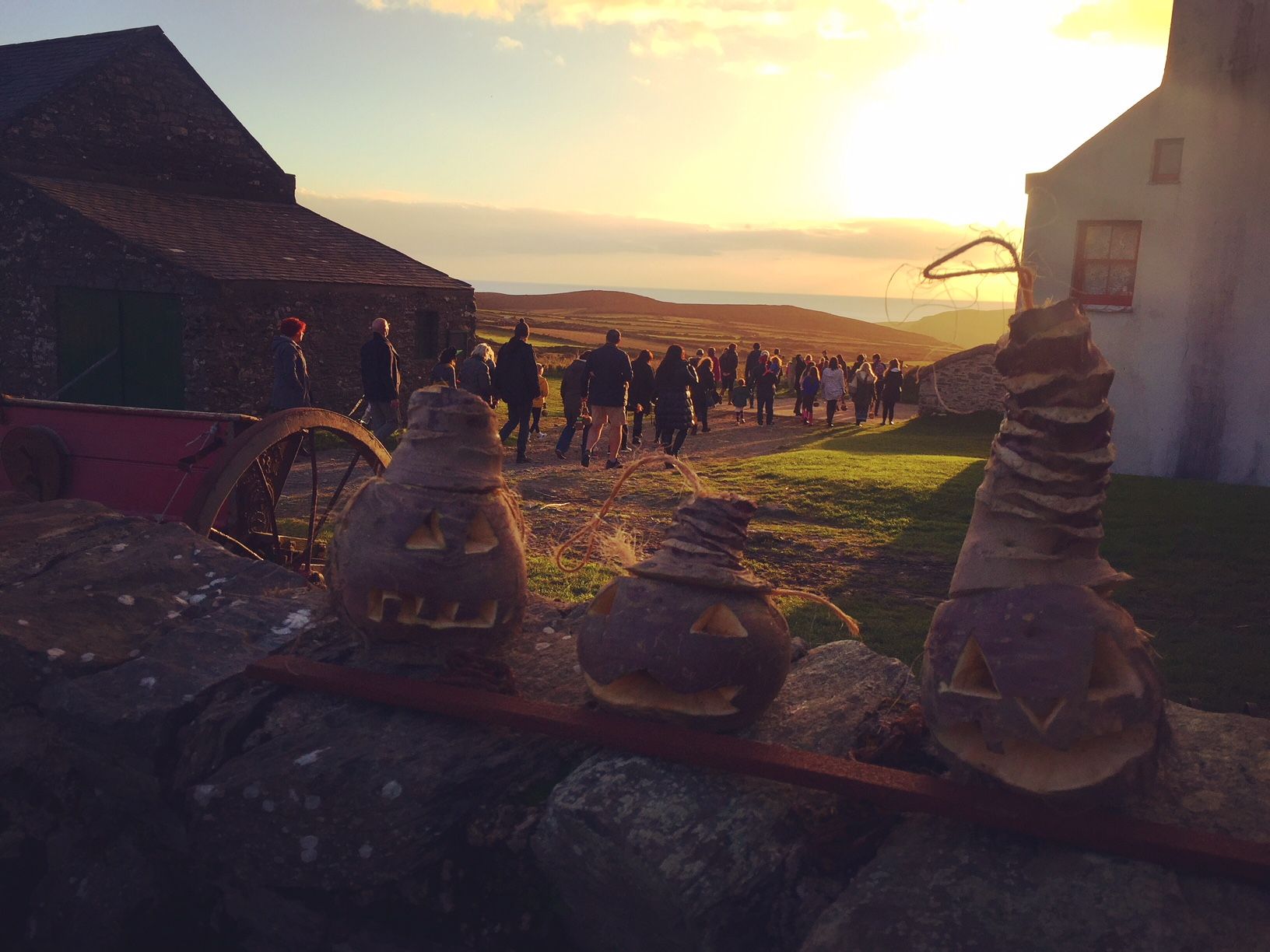
Halloween’s mystery adapts like mist to the landscape. On the Isle of Man, Hop-tu-Naa endures – turnip carvings, lantern parades, and songs in Gaelic, a pure vein of Samhain gold. In Ireland, barmbrack hides fortunes in its fruited loaf: a ring for marriage, a pea for spinsterhood.
Venture south to Mexico’s Día de los Muertos, where ofrendas bloom with marigolds and sugar skulls honor the dead – a vibrant cousin to our somber eve, blending in U.S. Hispanic enclaves. Brazil counters with Saci Day, celebrating the mischievous Saci-pererê from indigenous lore, a cultural shield against imported spooks.
And in modern pagan circles, Samhain lives anew: bonfires at twilight, ancestor altars, and reflections on the wheel’s turn. For us Scots-Americans, it’s a call to honor our roots – perhaps light a candle for a long-lost laird.
Conclusion: The Eternal Twilight
From Samhain’s flickering bonfires to today’s glowing porches, Halloween binds us to a legacy of wonder and whispers. It’s in our blood, dear clansfolk – a bridge across time, inviting us to ponder the unseen. As 2025’s veil thins, may your celebrations echo with the mysteries of our Scottish heritage, revealing secrets only the night can tell.
Frequently Asked Questions
What is Samhain? A Gaelic enigma, marking harvest’s end and winter’s whisper, observed October 31–November 1 with bonfires, divinations, and glimpses of the Otherworld.
How is Samhain connected to Halloween? Like threads in a tartan, Samhain’s masks, fires, and offerings wove into Christian rites, birthing modern Halloween – though scholars debate the seamless weave.
Did people really carve turnips to ward off spirits? Aye, in Scotland and Ireland, hollowed roots lit from within banished the dark; pumpkins claimed the throne in America, easier to etch with eerie grins.
Is Samhain still celebrated today? Indeed – by pagans, Wiccans, and cultural guardians, focusing on ancestors and seasonal shifts, keeping the ancient flame alive.
Who are the main historians studying Samhain? Scholars like Ronald Hutton unravel the ritual calendars and texts, piecing together how cultures revived and reimagined this timeless mystery.
If your query lingers unanswered, share it with your email – we’ll chase the shadows to respond swiftly.